Home / Self Finance Courses / BMS / B.Com. (MS) / S. Y. BMS / Semester - III / Compulsory / Business Planning and Entrepreneurship Management

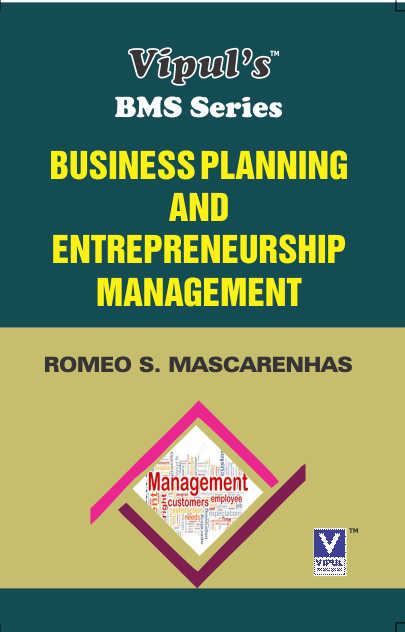
Business Planning and Entrepreneurship Management

(0 customer reviews)
180.00

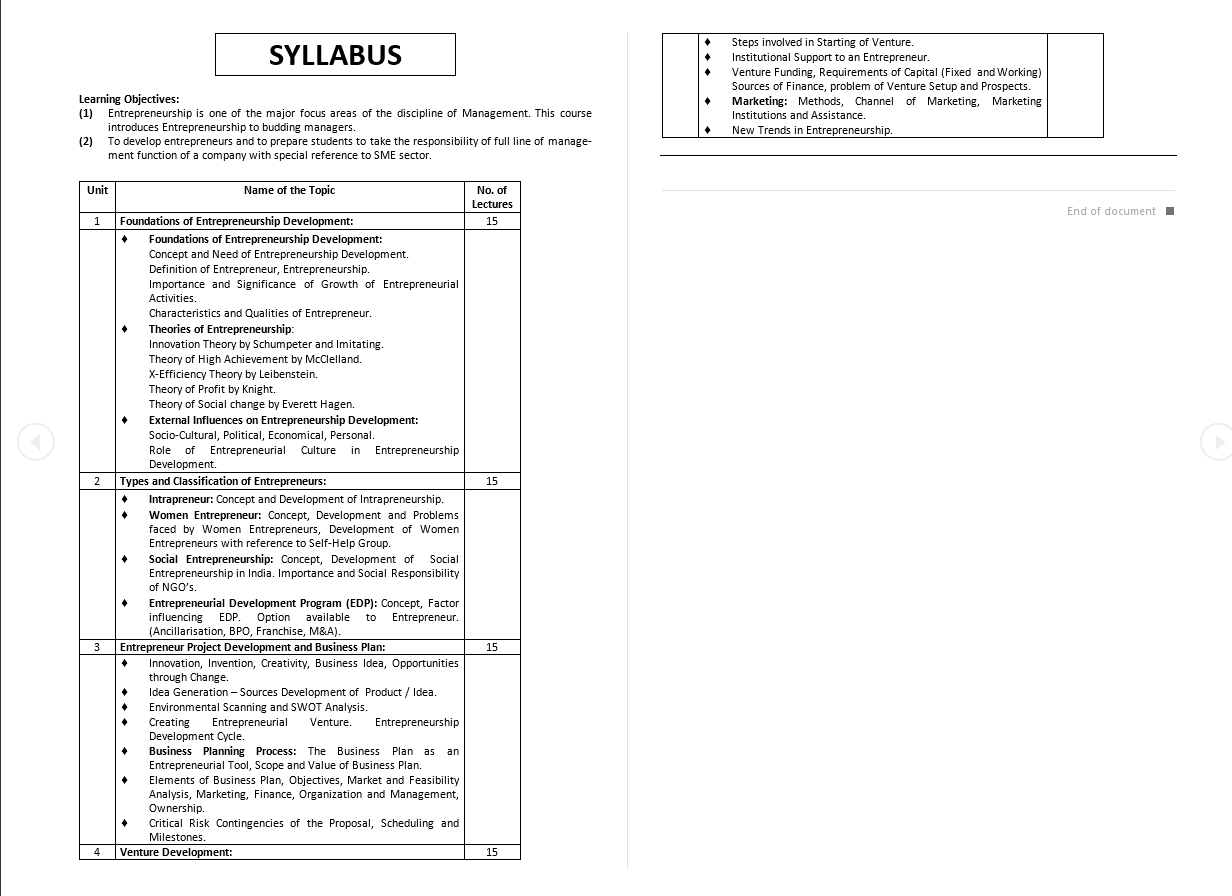
SYLLABUS

(1)     Foundations of Entrepreneurship Development:  
  • Foundations of Entrepreneurship Development: Concept and Need of Entrepreneurship Development, Definition of Entrepreneur, Entrepreneurship, Importance and Significance of Growth of Entrepreneurial Activities, Characteristics and Qualities of Entrepreneur.
  • Theories of Entrepreneurship: Innovation Theory by Schumpeter and Imitating, Theory of High Achievement by McClelland, X-Efficiency Theory by Leibenstein, Theory of Profit by Knight, Theory of Social change by Everett Hagen.
  • External Influences on Entrepreneurship Development: Socio-Cultural, Political, Economic and Personal, Role of Entrepreneurial Culture in Entrepreneurship Development.
  (2)     Types and Classification of Entrepreneurs:    
  • Intrapreneur: Concept and Development of Intrapreneurship.
  • Women Entrepreneur: Concept, Development and Problems faced by Women Entrepreneurs, Development of Women Entrepreneurs with reference to Self-Help Group.
  • Social Entrepreneurship: Concept, Development of Social Entrepreneurship in India. Importance and Social Responsibility of NGO’s.
  • Entrepreneurial Development Program (EDP): Concept, Factor influencing EDP. Option available to Entrepreneur. (Ancillarisation, BPO, Franchise, M&A).
  (3)     Entrepreneur Project Development and Business Plan:  
  • Innovation, Invention, Creativity, Business Idea, Opportunities through Change.
  • Idea Generation – Sources Development of Product / Idea.
  • Environmental Scanning and SWOT Analysis.
  • Creating Entrepreneurial Venture. Entrepreneurship Development Cycle.
  • Business Planning Process: The Business Plan as an Entrepreneurial Tool, Scope and Value of Business Plan.
  • Elements of Business Plan, Objectives, Market and Feasibility Analysis, Marketing, Finance, Organization and Management, Ownership.
  • Critical Risk Contingencies of the Proposal, Scheduling and Milestones.
  (4)     Venture Development:  
  • Steps involved in Starting of Venture.
  • Institutional Support to an Entrepreneur.
  • Venture Funding, Requirements of Capital (Fixed and Working) Sources of Finance, problem of Venture Setup and Prospects.
  • Marketing: Methods, Channel of Marketing, Marketing Institutions and Assistance.
  • New Trends in Entrepreneurship.
 

SYBMS — SEMESTER – III

Author: Romeo S. Mascarenhas

THIRD REVISED EDITION

Description

SYLLABUS

(1)     Foundations of Entrepreneurship Development:  

  • Foundations of Entrepreneurship Development: Concept and Need of Entrepreneurship Development, Definition of Entrepreneur, Entrepreneurship, Importance and Significance of Growth of Entrepreneurial Activities, Characteristics and Qualities of Entrepreneur.
  • Theories of Entrepreneurship: Innovation Theory by Schumpeter and Imitating, Theory of High Achievement by McClelland, X-Efficiency Theory by Leibenstein, Theory of Profit by Knight, Theory of Social change by Everett Hagen.
  • External Influences on Entrepreneurship Development: Socio-Cultural, Political, Economic and Personal, Role of Entrepreneurial Culture in Entrepreneurship Development.


(2)     Types and Classification of Entrepreneurs:    

  • Intrapreneur: Concept and Development of Intrapreneurship.
  • Women Entrepreneur: Concept, Development and Problems faced by Women Entrepreneurs, Development of Women Entrepreneurs with reference to Self-Help Group.
  • Social Entrepreneurship: Concept, Development of Social Entrepreneurship in India. Importance and Social Responsibility of NGO’s.
  • Entrepreneurial Development Program (EDP): Concept, Factor influencing EDP. Option available to Entrepreneur. (Ancillarisation, BPO, Franchise, M&A).


(3)     Entrepreneur Project Development and Business Plan:  

  • Innovation, Invention, Creativity, Business Idea, Opportunities through Change.
  • Idea Generation – Sources Development of Product / Idea.
  • Environmental Scanning and SWOT Analysis.
  • Creating Entrepreneurial Venture. Entrepreneurship Development Cycle.
  • Business Planning Process: The Business Plan as an Entrepreneurial Tool, Scope and Value of Business Plan.
  • Elements of Business Plan, Objectives, Market and Feasibility Analysis, Marketing, Finance, Organization and Management, Ownership.
  • Critical Risk Contingencies of the Proposal, Scheduling and Milestones.


(4)     Venture Development:  

  • Steps involved in Starting of Venture.
  • Institutional Support to an Entrepreneur.
  • Venture Funding, Requirements of Capital (Fixed and Working) Sources of Finance, problem of Venture Setup and Prospects.
  • Marketing: Methods, Channel of Marketing, Marketing Institutions and Assistance.
  • New Trends in Entrepreneurship.


Narayan Niwas, 161,
Jagannath Shankar Seth Road,
Girgaum, Mumbai 400 004. Maharashtra, INDIA.

Useful Links

About Us

Our Distributors

Invitation to Authors

Contact Us

Need Help

Monday – Saturday: 10:30AM to 07:00PM

info@vipulprakashan.com

© Copyright 2025 Vipul Prakashan – All Rights Reserved – Powered by MTech